Exploring the Fundamentals of Wholesome Dietary Practices
An independent educational resource dedicated to presenting the principles, science, and history of nutrition in an accurate, unbiased, and accessible manner.
Explore ConceptsThe Cornerstone of Nutrition: Macronutrients
Macronutrients are the primary compounds required by the human body in substantial quantities to sustain energy, facilitate growth, and maintain physiological processes. They constitute the foundational architecture of every dietary pattern across human history.
Carbohydrates function as the body's primary energy substrate, providing the glucose essential for cellular function and neurological activity. Complex carbohydrates found in whole grains and legumes offer sustained energy release alongside dietary fiber.
Proteins, composed of amino acid chains, serve as the structural components of tissues, enzymes, and immune molecules. Their sourcing from diverse whole foods ensures a complete amino acid profile. Dietary fats, often mischaracterized, are indispensable for fat-soluble vitamin absorption, cellular membrane integrity, and hormonal equilibrium.
Read Insights
Micronutrients: The Hidden Essentials
Vitamins and minerals, though required in comparatively smaller amounts than macronutrients, perform irreplaceable regulatory and structural roles throughout the body. Their presence in a diverse whole-food diet ensures systemic balance.
Vitamin A
Supports visual function, cellular differentiation, and the integrity of epithelial tissues throughout the body.
Sources: Carrots, sweet potato, leafy greensVitamin C
Essential for collagen synthesis, connective tissue maintenance, and the facilitation of iron absorption from plant sources.
Sources: Citrus, bell peppers, guava, kiwiVitamin D
Regulates calcium and phosphorus metabolism, contributes to skeletal density and neuromuscular function via sun-mediated synthesis.
Sources: Sunlight, fatty fish, fortified foodsIron
A central component of hemoglobin, responsible for oxygen transport throughout circulatory and muscular systems.
Sources: Lentils, spinach, quinoa, seedsCalcium
The primary mineral constituent of bone and dental tissue; also participates in nerve signaling and muscular contractions.
Sources: Dairy alternatives, almonds, broccoliMagnesium
Participates in over 300 enzymatic reactions, including energy production, protein synthesis, and DNA replication.
Sources: Pumpkin seeds, legumes, whole grainsPotassium
Maintains electrolyte balance, supports cardiovascular rhythm, and enables proper fluid distribution across cellular membranes.
Sources: Bananas, avocado, sweet potatoZinc
Integral to enzymatic catalysis, cellular division, and the structural formation of proteins across bodily systems.
Sources: Chickpeas, pumpkin seeds, oatsThe Spectrum of Food Groups
A comprehensive understanding of food groups provides a structured framework for appreciating dietary diversity. Each group contributes a distinct constellation of nutrients, and variety within groups further broadens nutritional coverage.

Fruits
Rich in natural sugars, fiber, and a broad spectrum of vitamins and antioxidant compounds.
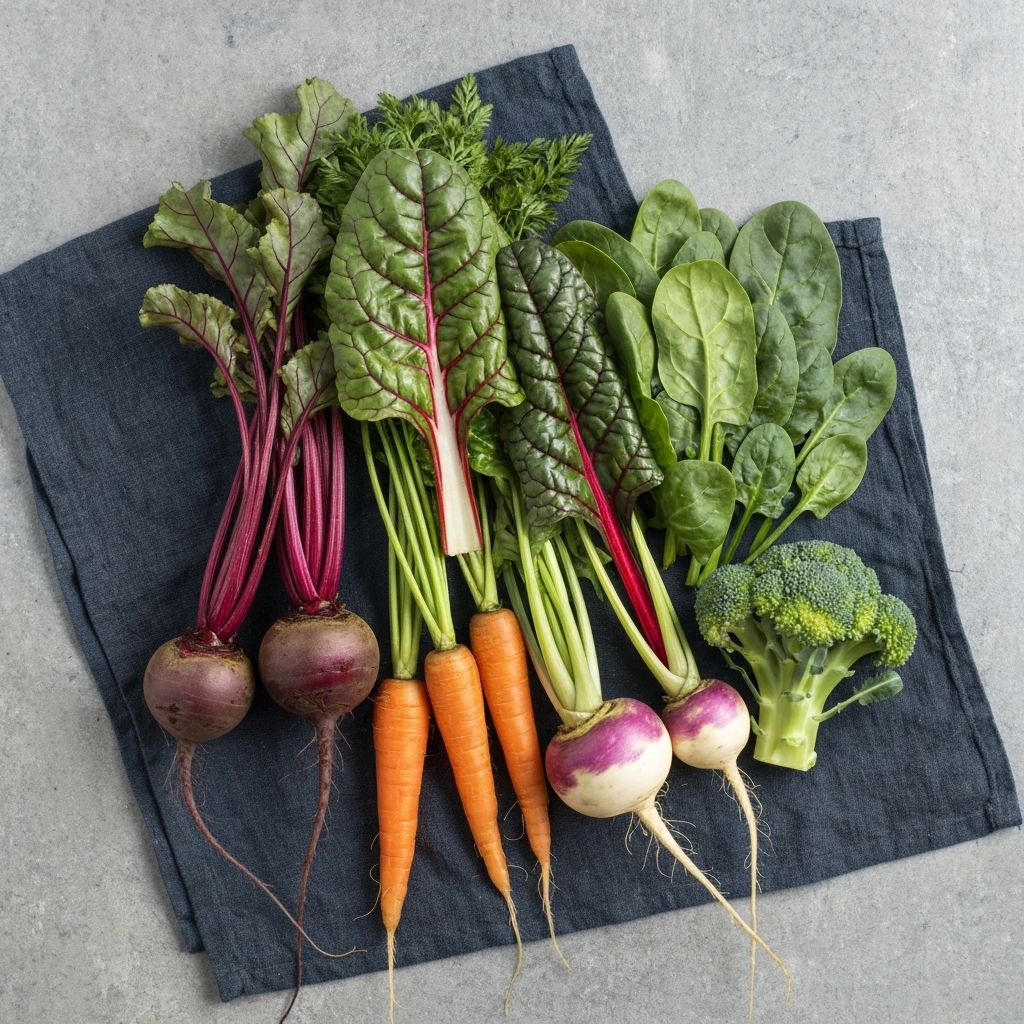
Vegetables
The most nutrient-dense food category, providing minerals, fiber, and phytonutrients with minimal caloric density.

Whole Grains
Ancient grains and whole cereals offer complex carbohydrates, B vitamins, and sustained energy release.
Hydration: More Than Just Water
Water constitutes approximately 60% of adult body mass and participates in virtually every biochemical reaction that sustains life. Its role extends far beyond simple thirst satisfaction, encompassing thermoregulation, nutrient transport, and the elimination of metabolic byproducts.
The kidneys require adequate fluid intake to filter and excrete waste products efficiently. Even mild reductions in hydration status can measurably affect cognitive performance, physical endurance, and digestive efficiency. The body's thirst mechanism, while generally reliable, can be delayed or blunted under conditions of physical exertion or elevated ambient temperature.
- Water participates directly in hydrolysis reactions that break down macronutrients during digestion.
- Electrolytes dissolved in body water, including sodium and potassium, govern fluid balance across cellular membranes.
- Plant-derived foods such as cucumbers, watermelon, and leafy greens contribute meaningfully to daily fluid intake.
- Infusions of herbs and naturally flavored water represent historically documented hydration practices across diverse cultures.
- Environmental conditions, physical activity levels, and body composition all modulate individual hydration requirements.

Understanding Dietary Patterns
Mediterranean Traditions
Characterized by an abundance of plant foods, olive oil as the primary fat source, moderate legume and whole grain consumption, and seasonal eating patterns aligned with agricultural cycles.
Plant-Forward Frameworks
Dietary frameworks centered on plant foods as the primary caloric source have been documented across Asian, South American, and African food cultures for centuries, emphasizing vegetables, legumes, and whole grains.
Traditional Andean Nutrition
Indigenous Peruvian dietary traditions feature ancient grains such as quinoa and kiwicha alongside native tubers, legumes, and an extraordinary variety of native pepper varieties, forming nutritionally comprehensive patterns developed over millennia.
Delve DeeperThe Science of Digestion
Digestion is the sequential physiological process by which ingested food is mechanically and chemically transformed into absorbable nutrient units. This process begins in the oral cavity, where salivary amylase initiates carbohydrate breakdown, and continues through the stomach and small intestine.
The stomach employs hydrochloric acid and pepsin to denature proteins and create an acidic environment that regulates gastric motility. The resulting chyme enters the duodenum, where it encounters bile from the liver, pancreatic lipase, and protease enzymes that complete macronutrient hydrolysis.
The small intestine, spanning approximately seven meters in adults, is lined with microvilli that increase absorptive surface area to roughly 250 square meters. Nutrients traverse this epithelial surface into the portal circulation or lymphatic system, depending on their solubility characteristics.
The large intestine hosts a diverse microbial community of approximately 100 trillion organisms, constituting what scientists term the gut microbiome. This ecosystem plays documented roles in fermenting indigestible fibers, synthesizing certain vitamins, and contributing to the maturation of immune responses.
Food Preparation: Enhancing Nutrition
The methods by which foods are prepared exert significant influence over their ultimate nutrient content. Understanding the effects of heat, moisture, and fermentation on nutritional compounds allows for more informed dietary choices.

Steaming
Preserves water-soluble vitamins more effectively than boiling, as nutrients are not leached into cooking water. Texture and color integrity are also maintained.
Roasting
Dry heat application concentrates flavors through moisture reduction. Certain carotenoids, such as lycopene in tomatoes, exhibit increased bioavailability following heat exposure.
Fermentation
Microbial activity during fermentation pre-digests certain nutrients, reduces antinutrient compounds, and introduces beneficial organic acids into the food matrix.
Raw Preparation
Preserves heat-sensitive vitamins including ascorbic acid and folate. Enzymatic activity remains intact, supporting digestion of specific food types.
The composition of what we consume reflects millennia of accumulated knowledge about the relationship between the natural world and the functioning human body. This knowledge, once embedded in cultural practice, is now the subject of systematic scientific inquiry.
Mindful Eating Principles
Mindful eating is a framework derived from contemplative traditions and adapted through behavioral research to describe a state of deliberate, non-judgmental awareness during the experience of eating. It encompasses recognition of hunger and satiety signals, attention to sensory characteristics of food, and an appreciation of the origins and preparation of what is consumed.
This approach does not prescribe specific dietary compositions or restriction protocols. Rather, it describes the quality of attention brought to the act of eating as a meaningful dimension of the broader relationship between individuals and their nutritional environment.
Research examining this framework has focused on its potential to improve awareness of internal physiological cues that guide natural intake regulation—cues that can be disrupted by habitual distracted eating patterns common in contemporary contexts.
Navigating Nutritional Information
The volume of nutritional information available across media is extensive and often contradictory. Developing a framework for evaluating sources enables more discerning engagement with evolving science.
Observational studies record associations between dietary habits and health outcomes without manipulating variables. Interventional studies actively assign participants to specific conditions. The latter generally provides stronger evidence of causality, though both contribute meaningfully when interpreted within their methodological constraints.
Meta-analyses aggregate data from multiple studies to produce more statistically robust conclusions. Their quality depends on the rigor of included studies and the consistency of the outcomes measured. A well-conducted meta-analysis is generally considered among the highest levels of evidence in nutritional research.
Findings from studies conducted in specific demographic groups may not generalize across age cohorts, geographic populations, or cultural dietary contexts. Critical evaluation requires attention to whom the research was conducted on and whether those characteristics are relevant to the question being asked.
Research funded by commercial entities has been documented in scientific literature to exhibit bias toward findings favorable to the funder. Independent and publicly funded research, along with transparent conflict-of-interest disclosures, are markers of greater methodological integrity.

Glossary of Nutritional Terms
A reference compendium of key scientific and descriptive terms used throughout this site and in the broader field of nutritional science.
Amino Acids
Organic compounds functioning as the structural subunits of proteins. Of the 20 standard amino acids, nine are classified as essential due to the body's inability to synthesize them endogenously.
Antioxidant
A compound that neutralizes reactive oxygen species, potentially reducing oxidative modification of cellular components including lipids, proteins, and nucleic acids.
Bioavailability
The proportion of an ingested nutrient that is absorbed and enters systemic circulation in a form capable of exerting physiological activity. Influenced by food matrix, preparation method, and individual factors.
Carbohydrate
A macronutrient class comprising sugars, starches, and dietary fiber. Monosaccharides are the simplest form; complex carbohydrates are polysaccharide chains yielding sustained energy release.
Cruciferous Vegetables
A family of flowering plants including broccoli, cauliflower, kale, and Brussels sprouts, notable for their glucosinolate content and dense micronutrient profiles.
Dietary Fiber
Indigestible plant polysaccharides that pass largely intact through the small intestine, contributing to gut microbiome diversity, bowel regularity, and satiety mechanisms.
Electrolyte
Mineral ions dissolved in body fluids that carry electrical charge, governing fluid distribution, nerve impulse transmission, and muscular contractility.
Fermentation
A metabolic process in which microorganisms convert sugars into acids, gases, or alcohols. Applied to food preparation, fermentation alters nutrient availability and introduces beneficial organic compounds.
Glycemic Index
A numerical scale representing the rate at which a carbohydrate-containing food elevates blood glucose concentration relative to a reference substance, typically pure glucose scored at 100.
Gut Microbiome
The complex community of microorganisms residing in the gastrointestinal tract, comprising bacteria, archaea, fungi, and viruses, collectively performing metabolic and immunological functions.
Macronutrient
Any of the three primary nutrient classes required in gram-scale quantities: carbohydrates, proteins, and fats. Each yields energy upon metabolic oxidation, measured in kilocalories per gram.
Micronutrient
Vitamins and minerals required in milligram or microgram quantities that perform catalytic, structural, and regulatory functions without directly providing energy.
Phytonutrient
Bioactive compounds produced by plants, including carotenoids, flavonoids, and polyphenols, that exert biological activity in human physiology beyond basic nutritional functions.
Protein
A macronutrient class comprising amino acid polymers that constitute structural tissues, catalytic enzymes, transport molecules, and signaling compounds throughout the body.